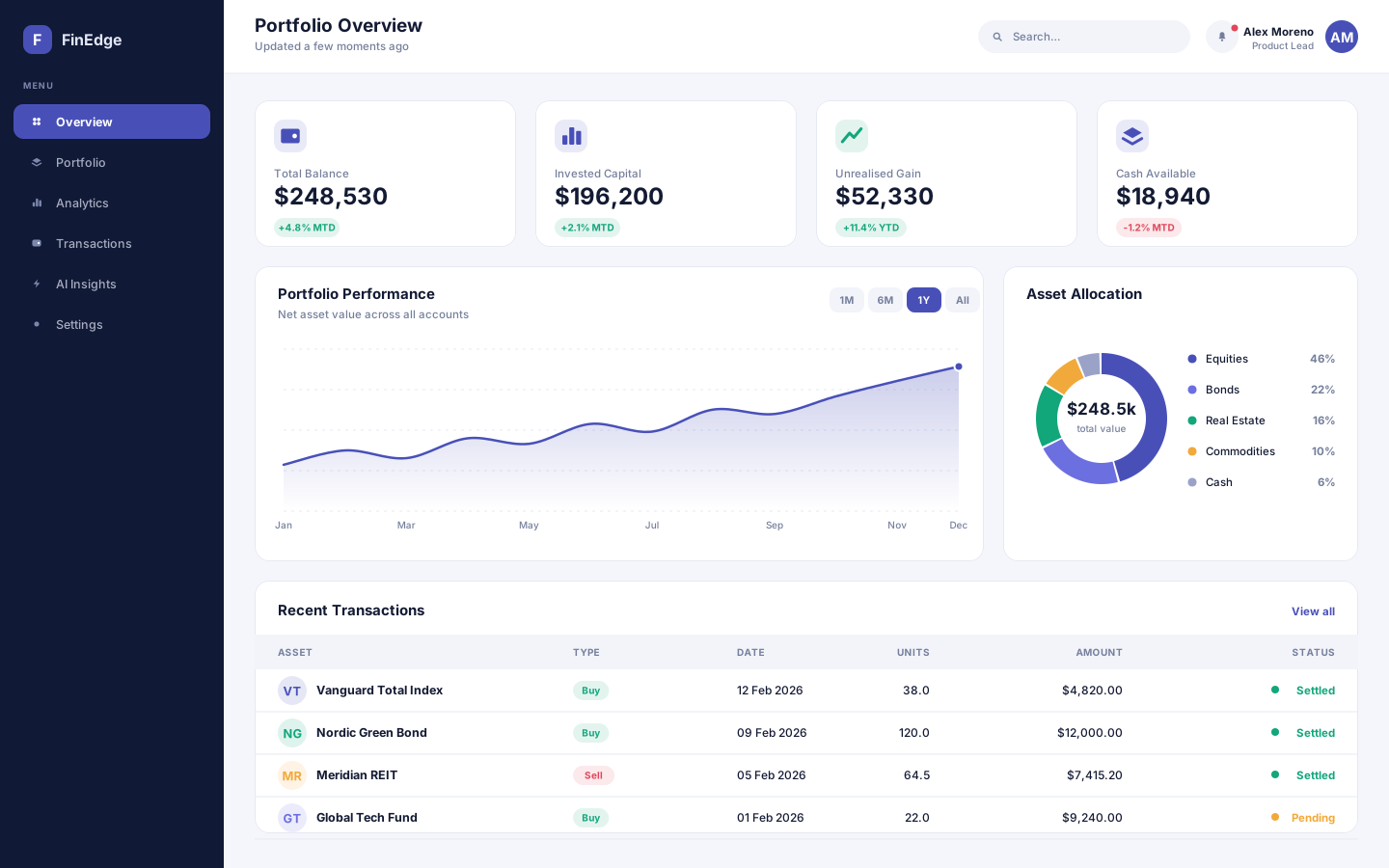
A financial analytics and portfolio management platform that turns scattered account data into decisions people can actually act on.
- React
- Node.js
- Python
- PostgreSQL
Catching what the eye misses
A computer vision inspection system that checks every part coming off a production line, explains why it flagged something, and sends only the genuinely uncertain cases to a person.
Overview
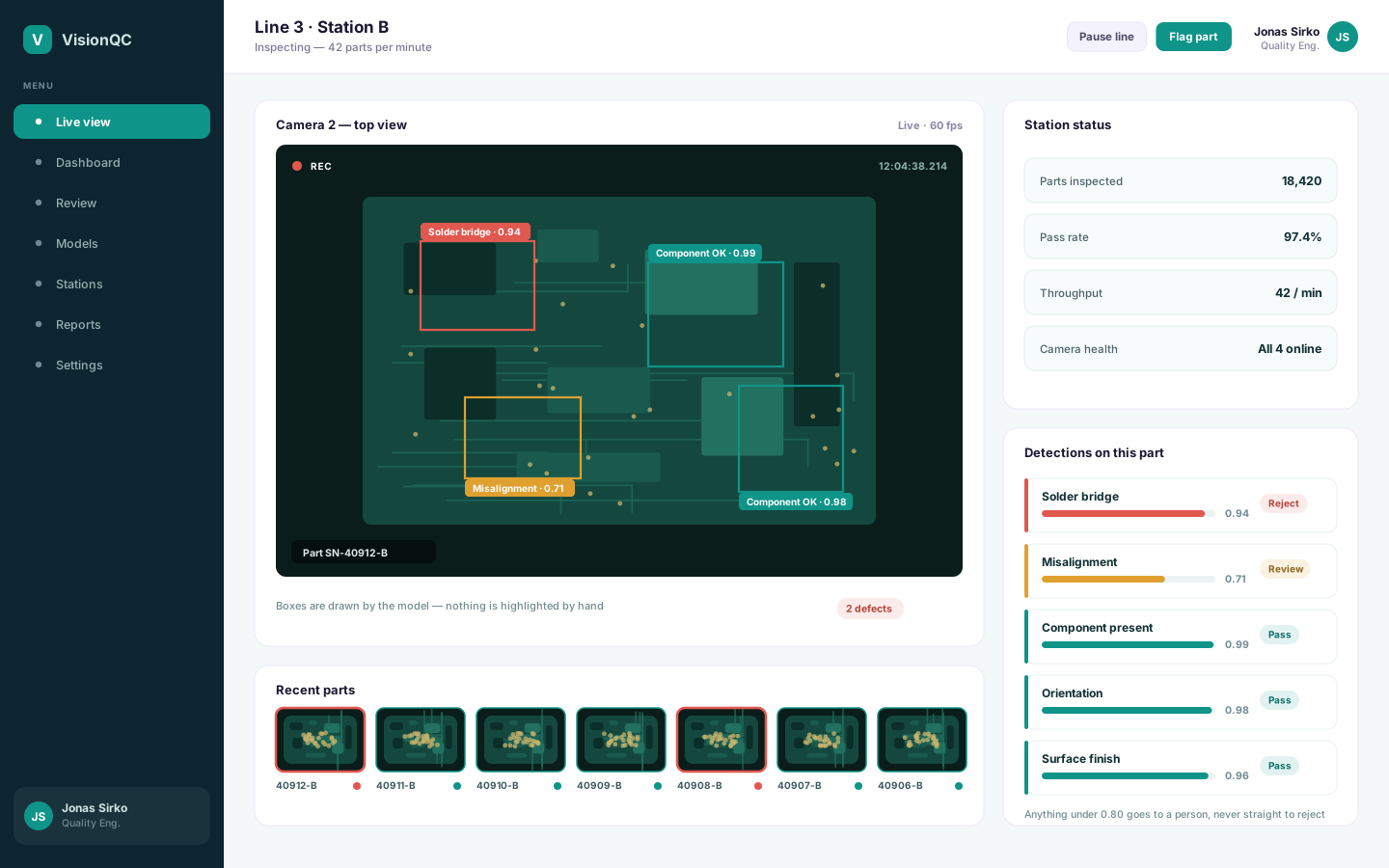
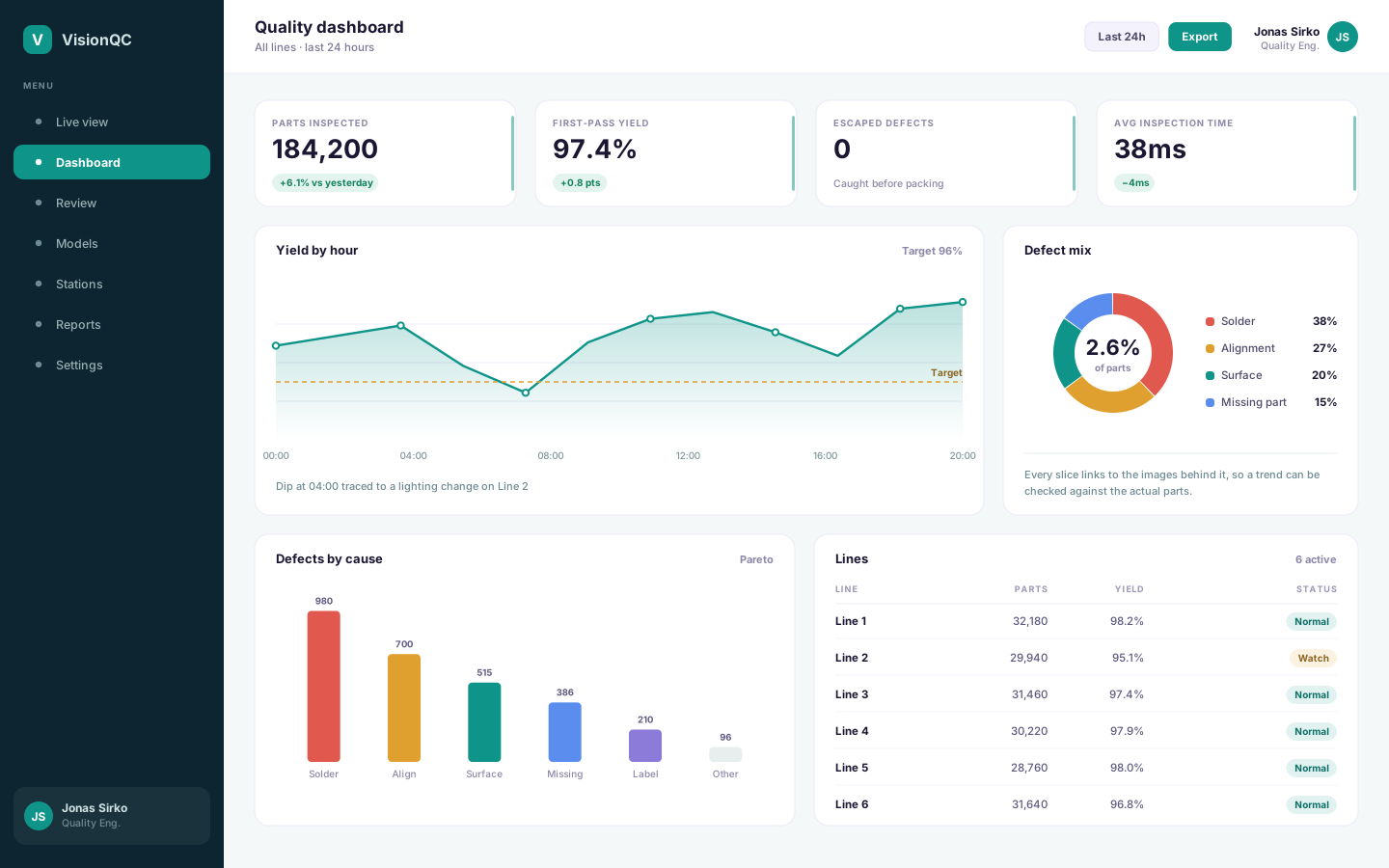
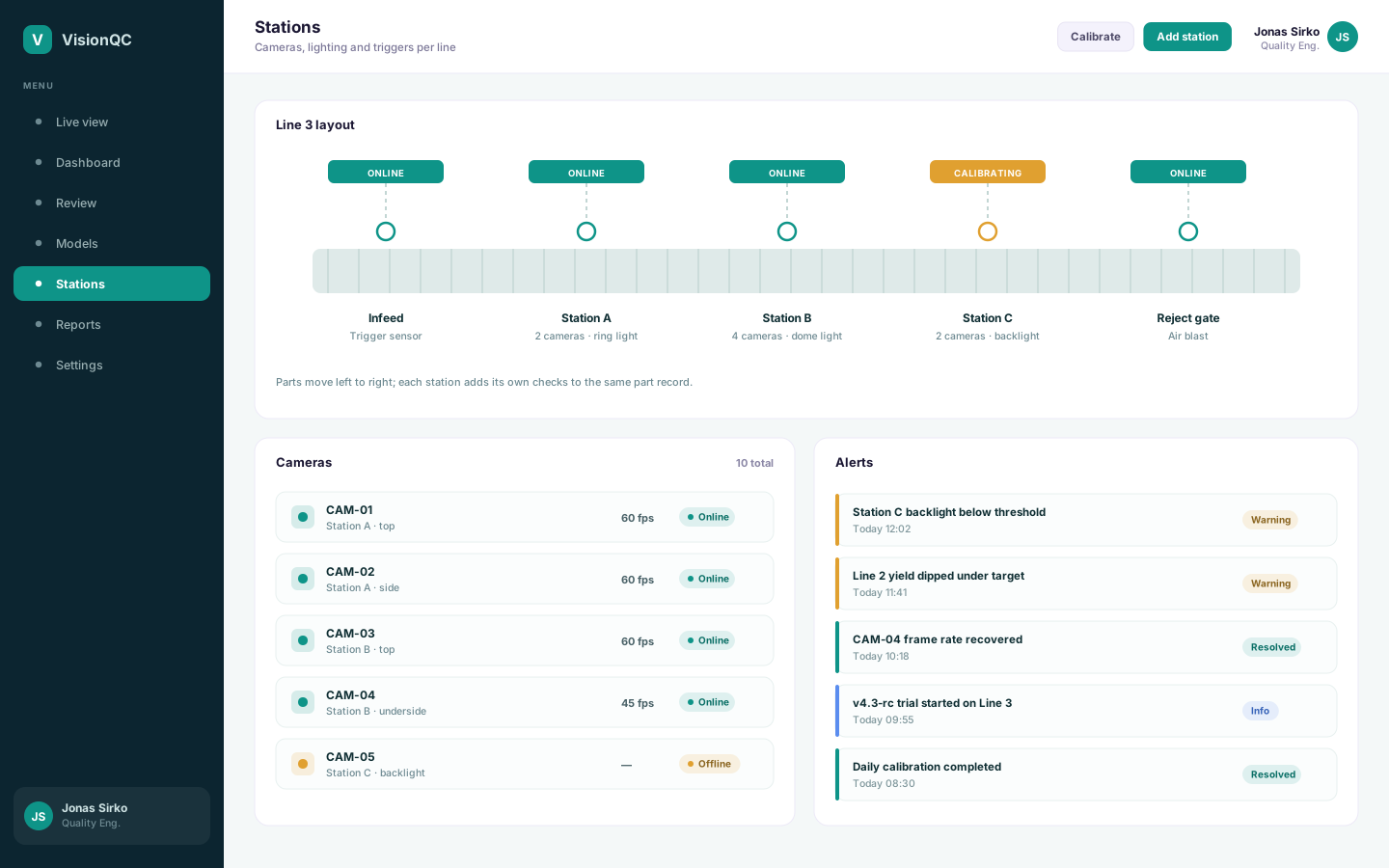
VisionQC is a concept product for manufacturers doing visual quality checks by eye, where fatigue and line speed decide how much actually gets inspected. Cameras at each station photograph every part, a model scores it against the defect classes that matter, and the result is written to a part record that follows the item down the line. The design work went into trust and handover: an inspection system that silently rejects good parts destroys more value than the defects it catches, so every detection shows its confidence, anything ambiguous goes to a human queue, and each decision a person makes becomes a labelled example the model learns from.
Visual inspection by eye is inconsistent by nature — it varies with shift, lighting and line speed, and it can only ever cover a fraction of output. Automating it introduces a different risk: a confident model that is quietly wrong will reject good stock or pass bad stock at scale, and an operator with no way to see why something was flagged has no basis to trust or overrule it.
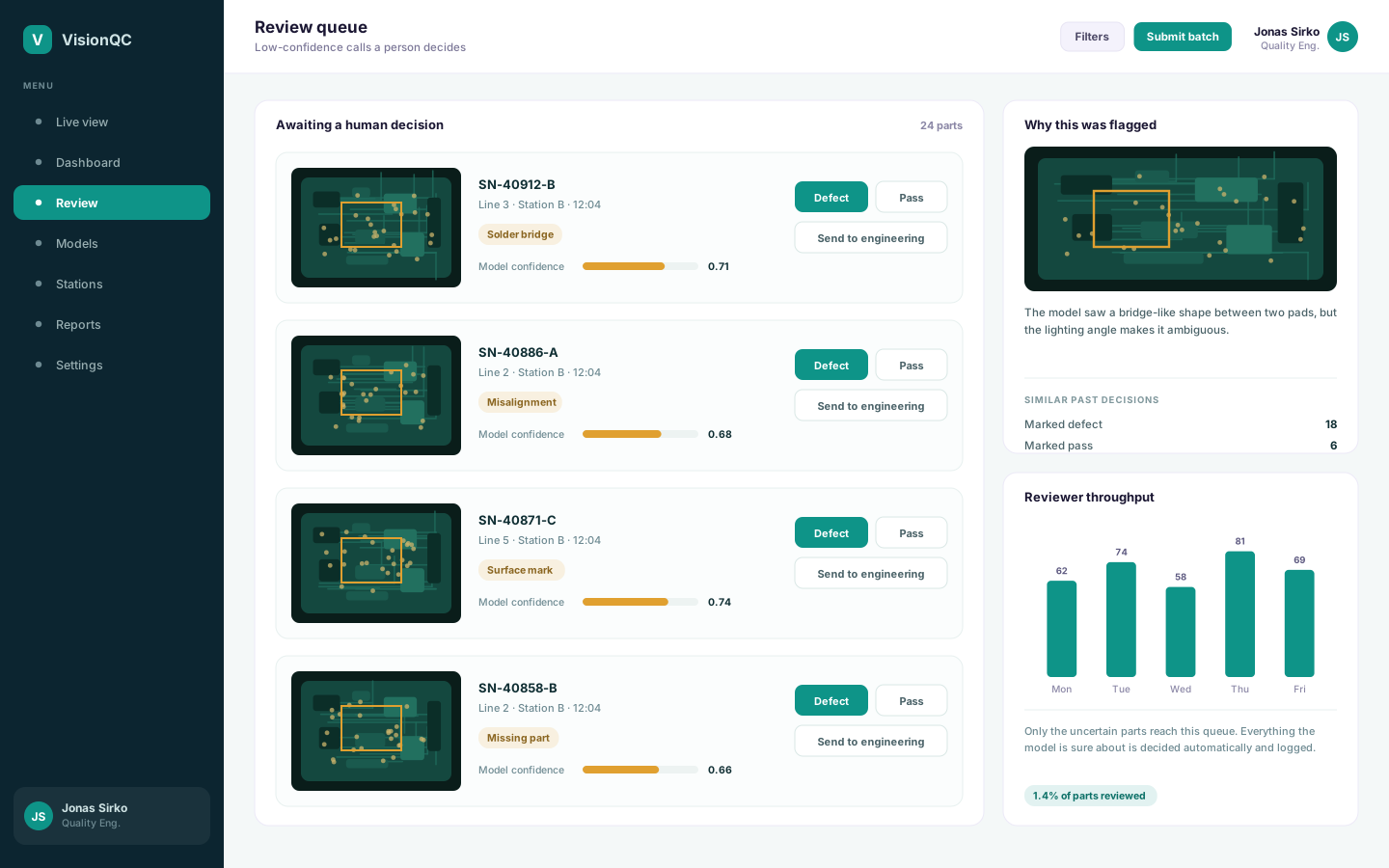
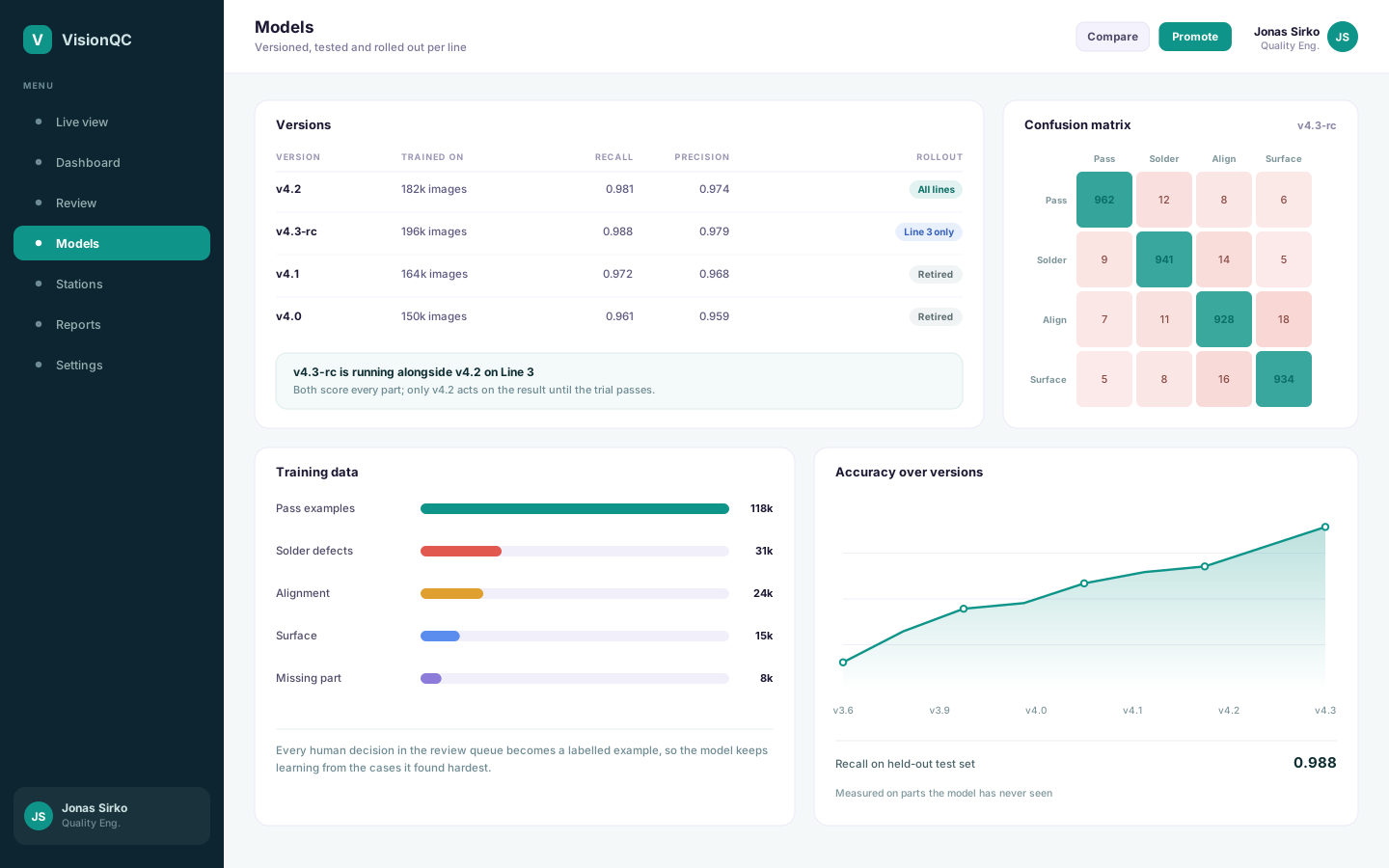
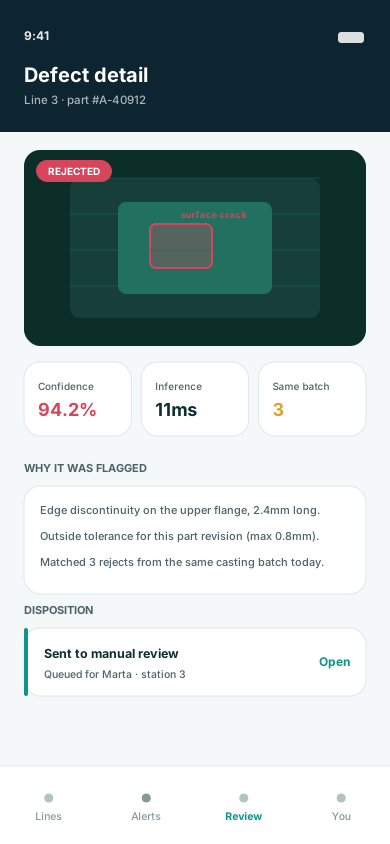
We designed around the confidence score rather than hiding it. The live view draws the model's own detection boxes over the camera feed with a confidence figure on each, so an operator sees exactly what was found and where. Anything below the threshold never reaches an automatic reject — it goes to a review queue that shows the flagged region, the model's reasoning and how similar past cases were decided. Those human decisions feed back as training examples, and new model versions run in trial alongside the live one, scoring the same parts without acting on them until the results hold up.
Desktop
The full-width interface, screen by screen.
Mobile
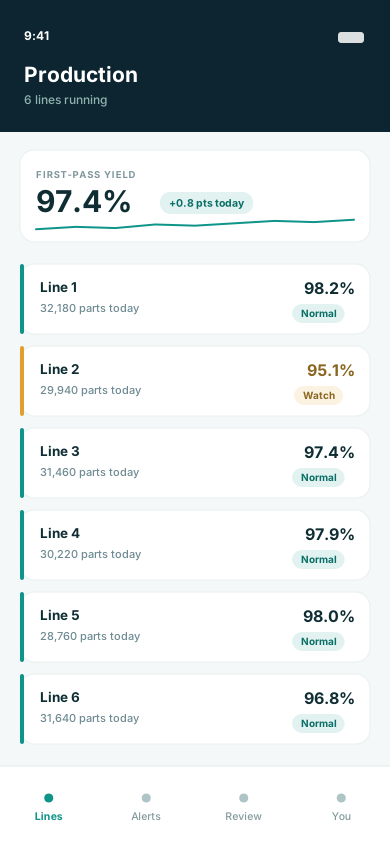
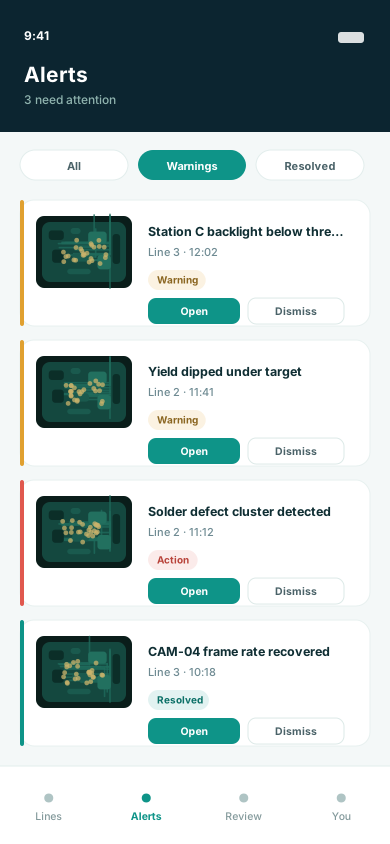
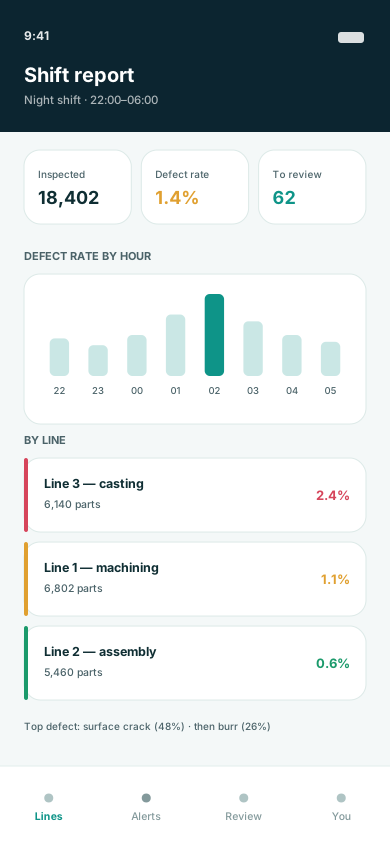
The same information hierarchy, rebuilt for a screen you hold in one hand.
More work
(→)Start a project
Tell us what you have in mind and we'll come back with a clear scope, a realistic timeline and an honest opinion on the best way to build it.
Project brief