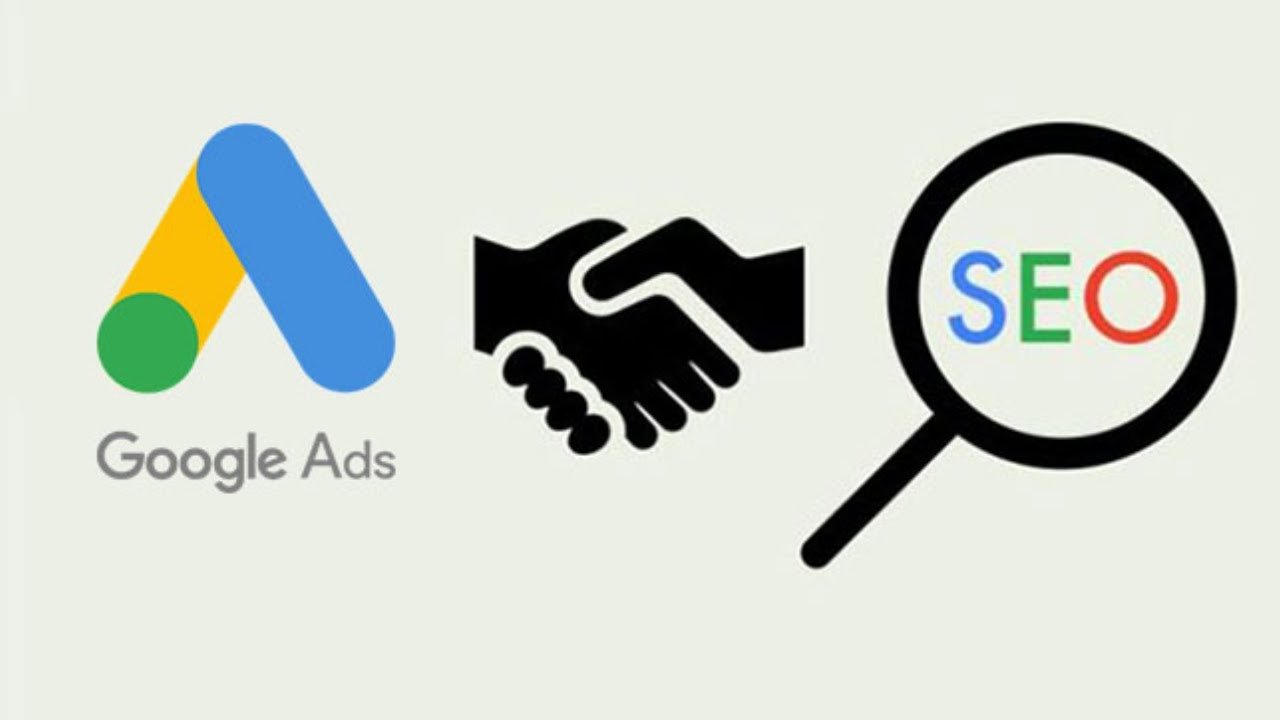
Every business investing in digital marketing in the UAE eventually reaches the same question: Should the budget go into organic search or paid advertising? The channels serve the same surface-level purpose, getting your business in front of people searching on Google, but they work in fundamentally different ways, operate on different timelines, and produce different kinds of returns.
This article covers how each one works, where each performs best, and how to think about allocating between them. It’s aimed at business owners and marketing managers who want to understand the options without wading through technical detail.
What SEO Is and How It Generates Traffic
SEO search engine optimization is the work done to improve a website’s position in Google’s organic, unpaid search results. Those results appear below any paid ads and are determined entirely by Google’s algorithm. Ranking well there requires a combination of technical work on your site, content that addresses search queries well, and links from credible external sites that signal authority to Google.
Unlike paid advertising, organic traffic carries no per-click cost. Once a page earns a strong ranking, it generates traffic continuously without additional spend. The investment goes into the work that earns and maintains those rankings: audits, content, technical improvements, and link building. There’s no charge for each visit that work produces.
The significant trade-off is time. Most businesses see meaningful movement in rankings after three to six months of consistent work, with substantial traffic growth following over the subsequent six to twelve months. Pages that rank well tend to hold their positions with moderate ongoing maintenance, which makes organic search a durable channel over a multi-year horizon.
What SEO Involves in Practice
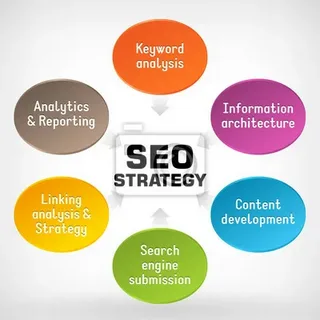
Most SEO programmes work across four areas simultaneously. Technical work addresses the issues that prevent Google from properly crawling and indexing your site, things like slow page speed, crawl errors, and misconfigured indexing settings. On-page optimisation improves the content and structure of existing pages to align them with target search queries. Content production creates new pages targeting searches the site currently doesn’t address. Link building earns links from credible external sites, which signal to Google that your content is worth ranking prominently.
Strong performance in search requires all four areas to be working. A technically sound site with good content but no backlinks will be outranked by a competitor with comparable content and stronger external authority. Gaps in any area limit what’s achievable in the others.
What Google Ads Is and How Paid Search Works
Google Ads is Google’s paid advertising platform. Businesses bid to appear at the top of search results for specific keywords. When a user clicks an ad, the advertiser pays a cost-per-click (CPC) set by auction dynamics and ad quality scores. Ads are labelled as sponsored and appear above organic results.
The primary advantage of paid search is speed. A properly set-up Google Ads campaign can start generating traffic within hours of going live. There’s no waiting period and no position to earn through gradual optimisation. If the bid is competitive and the ad is relevant, it appears.
The significant limitation is that traffic is entirely contingent on the budget. When a campaign is paused or the budget runs out, traffic stops immediately. Nothing from a paid search campaign carries over into organic performance. Businesses running only paid search are renting visibility rather than building it.
How Google Ads Pricing Works in the UAE
Click costs in the UAE vary considerably by industry. In finance, legal services, real estate, and healthcare, CPCs can be highly competitive keywords in these categories, which often command high per-click costs. Retail and hospitality typically see lower click costs, though this varies by specific keyword and campaign setup.
With every click costing money, the economics of Google Ads are driven by your conversion rate and average customer value. A campaign running on a meaningful daily budget needs to convert at a rate that justifies the spend. Active campaign management matters; unmanaged campaigns in competitive UAE categories can exhaust budgets quickly without producing proportionate returns.
How SEO and Google Ads Compare
The two channels differ across several dimensions that matter for how you allocate budget and what you should expect in return.
Speed of Results
Google Ads produces traffic from day one of a live campaign. SEO produces results gradually, with meaningful ranking movement typically appearing after three to six months and significant traffic growth following over the six to twelve months after that.
If a business needs immediate visibility for a product launch, a seasonal campaign, or entering a new market, paid search is the practical option. If the goal is building long-term organic presence, the SEO timeline is a feature of the investment rather than a limitation. The returns that begin arriving at month six continue compounding for years.
Cost Structure
Google Ads charges per click. A campaign generating 1,000 clicks at an average CPC of AED 15 costs AED 15,000 for that month’s traffic. Pause the campaign, and the traffic disappears with it.
SEO has a different structure. The investment goes into the work audits, content, technical fixes, link building and the traffic that work generates costs nothing per visit. Over time, as rankings improve and traffic grows, the cost per lead from organic search falls. Paid search cost-per-lead stays proportional to traffic volume indefinitely, because every click remains a paid one.
Sustainability
Paid search traffic exists only when campaigns are funded and running. Organic rankings, once earned, tend to hold with moderate ongoing maintenance. A page ranking well today will likely still be ranking twelve months from now with some continued attention. This durability makes organic search a more resilient channel when marketing budgets tighten or are redirected.
How Users Respond to Each
A portion of searchers deliberately skip paid ads and click organic results, associating organic positions with greater credibility. Organic click-through rates for top positions are high. Paid ads attract clicks primarily from users who don’t distinguish between paid and organic results, or who are in an immediate purchase mindset where the sponsored label doesn’t change their behaviour.
For businesses where trust is a significant purchase factor for professional services, finance, healthcare, and B2B services, organic visibility carries additional weight beyond the raw traffic numbers. Being found organically is perceived differently from being seen in an ad.
Targeting Precision
Google Ads offers detailed targeting controls. You can specify keywords, locations, devices, times of day, audience demographics, and more, and you can adjust bids by segment or exclude specific search terms. This precision is useful for campaigns with defined conversion goals or seasonal requirements.
SEO targeting is shaped by which keywords you optimise for and manage to rank for. The direction is controllable through content strategy, but the granular controls available in paid search don’t exist in organic.
SEO vs Google Ads: Side-by-Side Comparison
A summary of how the two channels differ across the dimensions that matter most for planning and budget allocation.
| Feature | SEO | Google Ads |
| Time to results | 3–6 months minimum | Same-day campaign goes live |
| Cost per click | No clicks are free once ranked | You pay for every click |
| Monthly cost structure | Agency or in-house resource fees | Ad spend plus management fees |
| Sustainability | Rankings hold with maintenance | Traffic stops when the budget stops |
| Targeting control | Shaped by content strategy | Keyword, location, device, audience |
| Trust perception | Higher organic positions seen as earned | Lower is labelled as advertising |
| Best for | Long-term traffic and lead generation | Immediate visibility and campaigns |
| Key metric | Rankings, organic traffic, cost per lead | CPC, click-through rate, ROAS |
When SEO Is the Better Investment
SEO is the right primary channel when the goal is building a sustainable, long-term source of inbound traffic that doesn’t depend on ongoing ad spend. Businesses planning over a twelve-to-thirty-six month horizon consistently get better returns from SEO investment over that period than from equivalent spend on paid advertising, because the organic traffic generated in year one continues in year two and three without additional cost-per-click.
It’s also the right focus when paid search costs in your category are prohibitive to scale. In sectors like finance, real estate, and legal services across Dubai and Abu Dhabi, click costs can make PPC expensive at meaningful traffic volumes. Earning organic rankings for those same keywords produces comparable or greater traffic without the per-click overhead.
Businesses with existing content assets, established service pages, blog articles, and location pages often find that targeted SEO work on what’s already on the site produces significant results. Many sites are ranking on page two or three for commercially valuable keywords, where specific on-page and technical improvements would push them into page one positions without requiring new content production.
SEO is also the practical long-term choice for businesses that want more independence from advertising budgets. Organic traffic continues performing when paid campaigns are paused or budgets are reduced. This matters for businesses managing cash flow, planning for periods of lower ad investment, or building a channel that survives market volatility without disappearing.
When Google Ads Is the Right Tool
Paid search is suited to situations where speed or targeting precision is more important than building a durable asset. A business launching a new service that needs traffic while organic rankings are established. A campaign running for six to eight weeks around a specific event or season. A promotion aimed at a defined audience segment with a clear conversion goal and a set end date. These are all situations where paid search delivers what organic can’t on the required timeline.
For businesses that are new to the UAE market, Google Ads can generate revenue while SEO is being built in parallel. The two run well alongside each other during this phase, paid search covers immediate pipeline needs while organic presence develops over the coming months.
Paid search is also useful for testing before committing to an SEO investment. Because you can see precisely which keywords drive conversions, Google Ads reveals which search terms actually produce business in your specific market. That data is a more reliable input for SEO strategy than keyword volume research alone, because it reflects real buyer behaviour rather than estimated search demand.
For e-commerce businesses with shorter customer decision cycles, Google Shopping campaigns and search ads can produce efficient returns on high-intent keywords where users are close to a purchase decision. The speed and precision of paid search suits this use case well.
Using SEO and Google Ads Together
The two channels work well in combination, and the interaction between them often produces better outcomes than running either in isolation.
During the early months of an SEO programme, when organic rankings are still building, Google Ads covers the visibility gap. The business appears to be searching for its target keywords while the longer-term work progresses in the background. As organic rankings improve, paid spend on keywords where you now rank organically can be reduced and redirected to categories or markets where organic coverage is still developing.
Conversion data from Google Ads also directly informs the SEO strategy. Campaigns show which keywords convert to leads or sales, as opposed to which ones generate clicks. That distinction is valuable. A keyword with high search volume and low conversion rate is a poor SEO target; one with moderate volume and strong conversion data is a much better one. Using paid search data to prioritise SEO content and keyword work produces a better-directed effort.
Remarketing, which Google Ads supports, also works well alongside organic content. A user who visits a page through organic search and doesn’t convert can be shown relevant ads later in their browsing session. Neither channel alone enables this; combining them does.
Choosing the Right Strategy for Your Business
The right allocation between SEO and Google Ads depends on what your business needs now and what it’s building toward over the next one to three years.
If traffic and leads are needed within the next thirty days, Google Ads is the practical starting point. Build a well-structured campaign, budget adequately for your category’s click costs, and set up proper conversion tracking from day one.
If you’re building a marketing programme for the next two to three years and want to reduce cost per lead over that period, SEO should be central to the plan. Start the work early because the timeline is real. The earlier an SEO programme begins, the earlier organic returns start arriving.
Most businesses in the UAE are better served by running both, with the balance shifting as organic performance matures. The specific split depends on industry, the competitiveness of your search landscape, and your current site’s condition. A business in a high-CPC category has a stronger financial incentive to invest in organic search than one in a lower-cost category. A business with an established site and existing content has more immediate SEO potential than one starting from scratch.
Frequently Asked Questions
Is SEO better than Google Ads?
Neither is categorically better; they serve different goals and timelines. Google Ads produces results immediately, but stops when the budget stops. SEO takes three to six months to show meaningful results,s but generates traffic that continues without ongoing per-click cost. Over a twelve-to-thirty-six month horizon, SEO typically delivers a lower cost per lead, particularly in competitive UAE categories where paid search click costs are high. Most businesses with serious digital marketing programmes use both.
How much does SEO cost in the UAE?
SEO costs in the UAE depend on the scope of work, market competitiveness, and whether you’re working with a specialist agency or managing parts of it in-house. Agency retainers for a managed SEO programme vary depending on the level of resource involved and the complexity of the work. The relevant comparison is cost per lead over twelve to twenty-four months, where organic search usually produces better economics than equivalent paid search spend, particularly in high-CPC sectors like finance, real estate, and professional services.
How quickly do Google Ads generate results?
A properly set-up Google Ads campaign can start generating clicks within hours of going live. Reliable conversion data, enough to see which keywords and ads are actually working, typically takes two to four weeks to accumulate. Campaigns usually require an optimization period in the first one to two months before performance stabilises.Paid search suits product launches, new market entries, and time-sensitive campaigns because it delivers results quickly.
Should businesses use SEO and PPC together?
For most businesses in the UAE, running a long-term digital marketing programme makes practical sense. Google Ads covers visibility while organic rankings build. Conversion data from paid campaigns helps shape SEO keyword and content priorities. You can shift paid budgets toward categories or markets where organic coverage is still developing as organic performance improves. The combination also supports remarketing to organic visitors, which neither channel enables independently.
Making the Decision
SEO and Google Ads are not substitutes for each other. They work on different timelines, carry different cost structures, and produce different kinds of value. Understanding those differences is what makes it possible to invest in each of them in a way that makes sense for your business.
Paid search delivers immediate visibility that stops when the spend stops. Organic search takes longer to build but produces returns that compound and persist. A business that starts a serious SEO programme today has something twelve months from now that a competitor starting later cannot quickly replicate.
If you want a clear picture of where your site stands in search and what the realistic improvement looks like, a proper audit is the right starting point.
Request a Free SEO Audit visit martian.ae